Why AI-Generated Nude Images Look So Real
Why AI-Generated Nude Images Look So Real
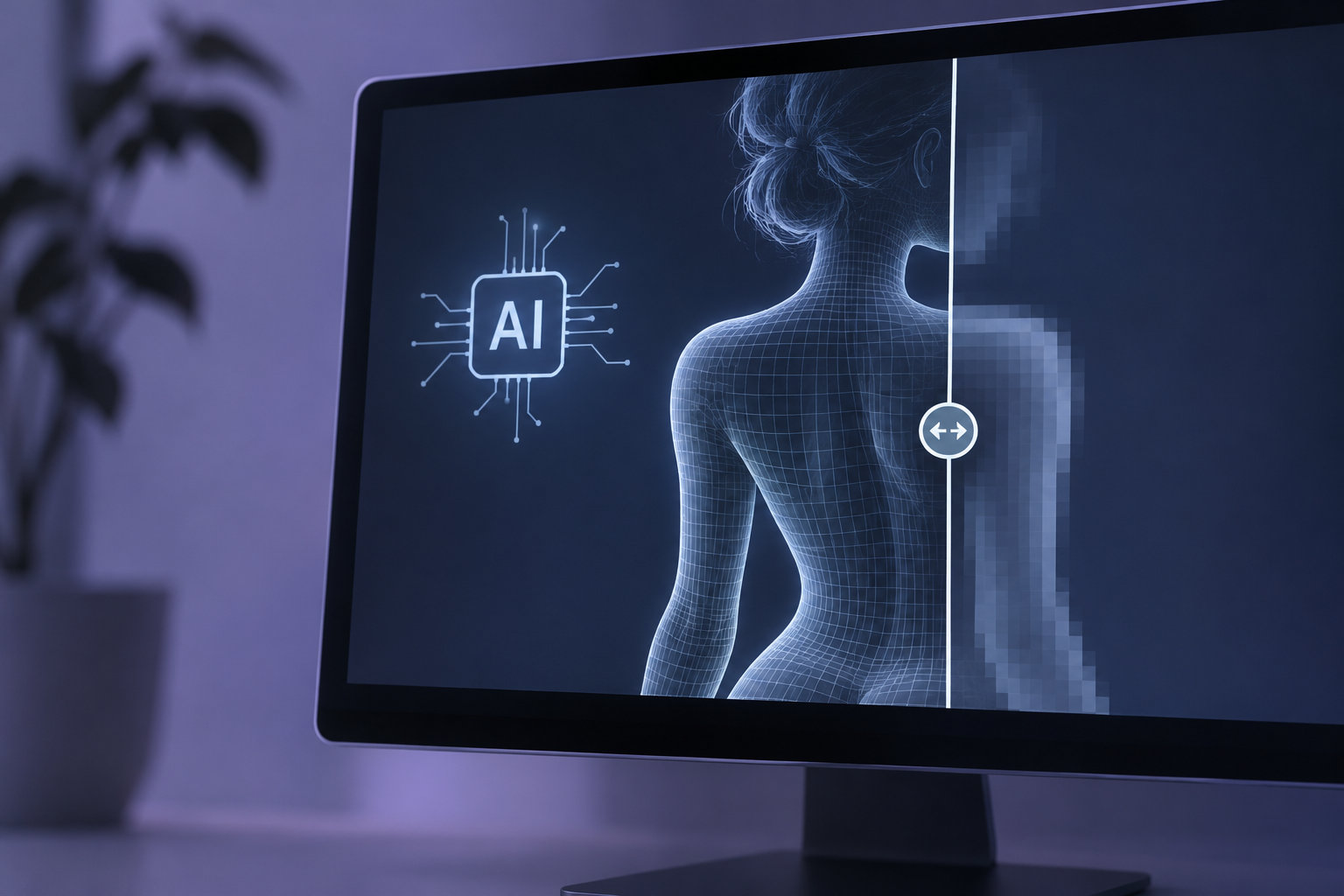
AI-generated nude images have reached a level of realism that can make synthetic pictures difficult to distinguish from traditional photography. Modern image models can reproduce natural skin textures, lighting conditions, body proportions, and subtle photographic imperfections.
The technology behind these results has developed far beyond basic photo editing. Neural networks now generate visual details based on patterns learned from large image datasets. For adult image galleries, this creates a new category of synthetic content that can resemble professional photography without documenting a real scene.
How Does AI Create Realistic Nude Images?
Modern AI image generation uses neural networks trained to recognize relationships between shapes, textures, colors, and lighting. Instead of simply placing one image over another, these systems construct new visual information based on learned patterns.
Diffusion models are particularly important to this process. They gradually convert visual noise into recognizable images, refining details through multiple computational steps.
One application involves AI undress technology, which generates synthetic depictions of bodies beneath clothing. Services such as AI undress process uploaded photographs and generate altered images using body contours, fabric boundaries, and lighting information. The resulting anatomy is an AI prediction rather than a factual representation of the photographed person.
These tools illustrate how generative models can produce visually consistent changes while preserving parts of an original composition. Their use with identifiable people requires explicit consent.
Why Do Synthetic Images Resemble Real Photography?
The realism of synthetic imagery comes from combining thousands of small visual relationships into a coherent picture. Human perception relies heavily on familiar patterns, especially when evaluating faces, skin, shadows, and body proportions.
Skin Texture and Natural Imperfections
Real skin contains pores, uneven coloration, fine lines, and subtle changes in texture. Earlier image generators often produced unnaturally polished surfaces that immediately suggested computer-generated content.
Modern systems can simulate these irregularities with greater accuracy. Small variations in pigmentation, shadow softness, and surface detail make generated skin appear more photographic.
However, these textures are statistical approximations. They do not represent actual physical characteristics hidden from the camera.
Lighting and Shadow Consistency
Lighting strongly influences AI image realism. A realistic picture needs consistent relationships between the light source, illuminated surfaces, and surrounding shadows.
Advanced models can reproduce several photographic characteristics:
Soft shadows along natural body contours.
Reflections consistent with the apparent light source.
Gradual transitions between illuminated and shaded skin.
Color temperatures associated with indoor or outdoor photography.
Background blur resembling camera lens behavior.
When these details agree, viewers are less likely to notice that the image was generated rather than photographed.
Can People Identify AI-Generated Nude Photos?
Identifying synthetic photographs through visual inspection alone is becoming increasingly difficult. Modern generators can produce convincing details, while compression and image resizing may conceal visible defects.
According to the National Institute of Standards and Technology, synthetic media verification involves approaches such as watermarking, provenance tracking, and automated detection. No single visual clue reliably establishes authenticity.
Common indicators of generated imagery include inconsistent reflections, irregular anatomy, unusual background objects, and repeated texture patterns. These image artifacts can reveal computational errors, although their absence does not prove an image is authentic.
Image metadata and verified creation records can provide useful evidence. Automated detection tools offer another perspective, but their assessments should not be treated as definitive proof.
What Makes AI-Generated Adult Images Different From Traditional Photos?
Traditional adult photography captures a physical scene involving real subjects, cameras, and lighting equipment. AI-generated adult content can instead represent scenes or appearances that never existed.
This difference affects both visual production and the interpretation of images.
Synthetic images also allow artists to create fictional characters and compositions without arranging physical photoshoots. Yet modifying photographs of actual people introduces different ethical concerns.
A generated nude depiction should never be interpreted as evidence of someone's real appearance. Consent, clear labeling, and responsible distribution remain essential when synthetic sexual imagery involves recognizable people.
Why Does Image Quality Depend on the Original Photograph?
The quality of an AI-edited image often depends on the information available in its source photograph. Clear contours, consistent lighting, and sufficient resolution give image models more reliable visual context.
Low-resolution originals can introduce inaccurate textures or distorted proportions. Complicated backgrounds, overlapping objects, and unusual camera angles can also interfere with the reconstruction process.
Why Small Details Matter
Visual realism depends on consistency across the entire image, not simply the appearance of the main subject. A convincing face paired with physically impossible shadows can make an otherwise realistic picture appear artificial.
Human observers also pay attention to anatomical relationships and perspective. Errors in these areas can be more noticeable than minor imperfections in skin texture.
As generative technology develops, these discrepancies may become less frequent. That makes clear disclosure and responsible image handling increasingly important for publishers, creators, and adult photography websites.
How Is AI Changing the Future of Adult Image Galleries?
Adult image galleries are beginning to accommodate both traditional photography and synthetic visual production. These formats can coexist, but they represent fundamentally different types of content.
Fictional AI characters provide one approach to creating adult-themed artwork without depicting identifiable people. Synthetic compositions can also be labeled separately from conventional photography, allowing viewers to distinguish creative renderings from photographic records.
For publishers, transparent classification helps maintain trust in image collections. Clear distinctions between authentic photographs, edited material, and fully generated pictures become more valuable as visual differences grow harder to detect.
The technical progress behind realistic synthetic imagery is already apparent. The next challenge is preserving transparency, consent, and reliable information about how each image was created.